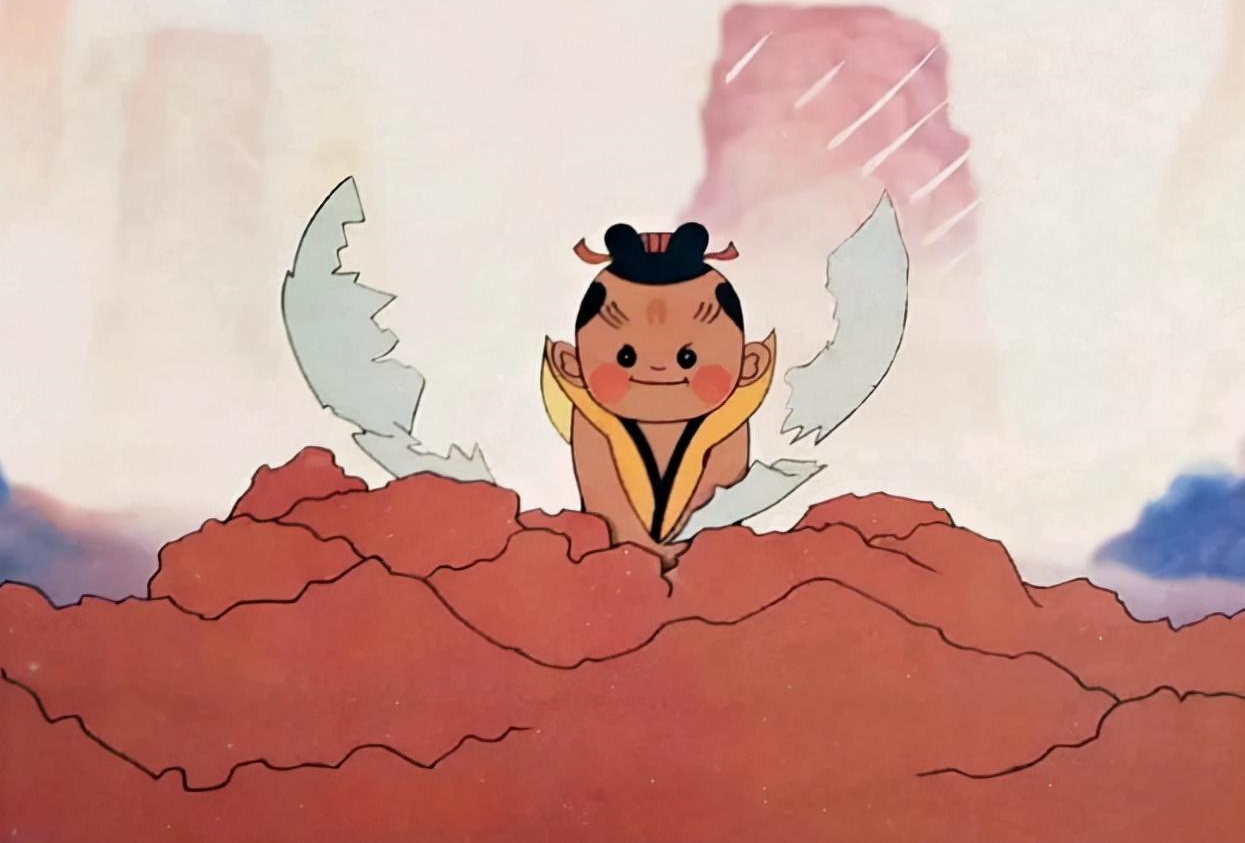
The Legend of Sealed Book
Introduction
The Legend of Sealed Book is a classic animated film directed by Wang Shuchen and Qian Yunda, released in 1983 in China. It tells the story of Yuangong, a deacon, who defies celestial laws by opening a sealed book and engraving its secrets onto the walls of the White Cloud Cave. This act of rebellion against the heavenly order leads to his punishment by the Jade Emperor. Despite his transgression, Yuangong's actions open a pathway for humanity to receive the profound knowledge contained within the book. He passes this knowledge to a young boy named Dansheng, teaching him how to wield the book's power. The film, appreciated for its artistic style and moral depth, remains a significant piece in the history of Chinese animation.
Plot Summary
The narrative of The Legend of Sealed Book revolves around Yuangong, a devoted deacon, who is entrusted with the care of a mysterious sealed book, believed to contain the secrets of the cosmos. Driven by curiosity and a sense of duty to share its wisdom with mankind, Yuangong opens the book and inscribes its content onto the stone walls of the White Cloud Cave. This act, however, is a breach of the heavenly laws, leading to his punishment by the Jade Emperor. The Emperor views Yuangong’s actions as a grave offense, yet Yuangong's intentions are rooted in his belief that the knowledge should benefit humanity. As Yuangong faces celestial retribution, he encounters Dansheng, a young boy with an inquisitive mind. Recognizing Dansheng's potential, Yuangong becomes his mentor, imparting the secrets of the book to him. Together, they embark on a journey to understand and utilize the book's enigmatic powers, setting the stage for a narrative rich in adventure and moral lessons.
Historical Context
Origins
The origins of The Legend of Sealed Book are deeply embedded in Chinese mythology and folklore, drawing inspiration from traditional tales that explore the themes of knowledge, rebellion, and the relationship between humanity and the divine. The film is a reflection of the cultural and artistic milieu of early 1980s China, a period marked by a revival of interest in traditional arts and storytelling. The animation style employed in the film is reminiscent of ancient Chinese paintings, characterized by intricate lines and vivid colors, which serve to enhance the mystical and allegorical nature of the story. This film represents a significant effort to preserve and adapt ancient Chinese narratives for modern audiences, showcasing the richness of the culture's mythological heritage.
Cultural Significance
Culturally, The Legend of Sealed Book holds a prominent place as one of the pioneering works in the realm of Chinese animation. It serves not only as a source of entertainment but also as a medium for cultural education, introducing audiences to traditional Chinese values and philosophies. The film’s portrayal of moral dilemmas and the consequences of defying celestial order reflects broader themes found in Chinese literature and philosophy, such as the pursuit of knowledge, the balance between duty and desire, and the impact of individual actions on the collective well-being. Additionally, the film's production during a time of cultural reinvigoration in China underscores its role in the broader movement to celebrate and transmit the nation's cultural heritage through modern artistic expressions.
Themes
The Legend of Sealed Book explores several major themes, including the pursuit of knowledge, the conflict between individual ambition and societal norms, and the consequences of defying authority. The central theme revolves around the notion of forbidden knowledge, as Yuangong’s decision to open the sealed book symbolizes the human quest for understanding and enlightenment. This act of rebellion against divine authority raises questions about the cost of knowledge and the boundaries between curiosity and transgression. The film also delves into the theme of mentorship, as Yuangong’s relationship with Dansheng highlights the importance of guiding the next generation in how to responsibly wield power and knowledge.
Legacy
Influence on Modern Media
The influence of The Legend of Sealed Book on modern media is evident in its lasting impact on the animation industry and its role in shaping the narrative structure and visual aesthetics of subsequent works. The film set a precedent for the integration of traditional stories and artistic techniques in animated films, inspiring creators to draw from cultural heritage to craft compelling stories. Its legacy is reflected in the continued popularity of animation that embraces cultural themes and symbolism.
Cultural Impact
The Legend of Sealed Book has had a profound cultural impact, serving as a conduit for the preservation and transmission of Chinese folklore and mythology. Its enduring popularity is a testament to its ability to resonate with audiences across different cultural and temporal contexts. As a cultural artifact, the film has contributed to the broader appreciation of Chinese art and storytelling, fostering a sense of pride in cultural heritage and inspiring future generations to explore and celebrate traditional narratives.








